

The world of Parishān
PARISHĀN IS A TRILOGY OF FASHION FILMS WHICH COMES WITH AN ACCOMPANYING PUBLICATION THAT EXPLORES IDENTITY, THE FEMALE EXPERIENCE, DISPLACEMENT AND RESISTANCE THROUGH AN EDITORIAL AND CINEMATIC LENS. THIS PROJECT IS ROOTED IN PERSONAL EXPERIENCE, IT COMBINES FASHION IMAGERY, MOVING IMAGE, AND STORYTELLING TO CREATE AN IMMERSIVE WORLD THAT REFLECTS ON BOTH BEAUTY AND POLITICAL TENSION.
ALTHOUGH THE FILMS ARE NOT DIRECT DOCUMENTARIES, THEIR MESSAGE IS COMMUNICATED THROUGH SYMBOLISM, ATMOSPHERE, STYLING, AND PERFORMANCE, EXPRESSING FEELINGS OF RESTRICTION, REBELLION, LONGING, AND EMPOWERMENT.
FASHION IS USED NOT ONLY AS AESTHETICS, BUT AS A LANGUAGE. THE TRILOGY FUNCTIONS AS A TIMELINE - PAST, PRESENT, AND FUTURE. EACH FILM REFLECT ON THE AUDACITY, VULNERABILITY, AND DEFIANCE OF IRANIAN WOMAN DURING TIMES LIKE THESE. THE PROJECT DRAWS INSPIRATION FROM PERSIAN LITERATURE, CINEMA, AND MUSIC, AS WELL AS UNDERGROUND CULTURE AND CONTEMPORARY VISUAL STORYTELLING. TOGETHER, THESE INFLUENCES FORM THE UNIVERSE OF PARISHĀN.
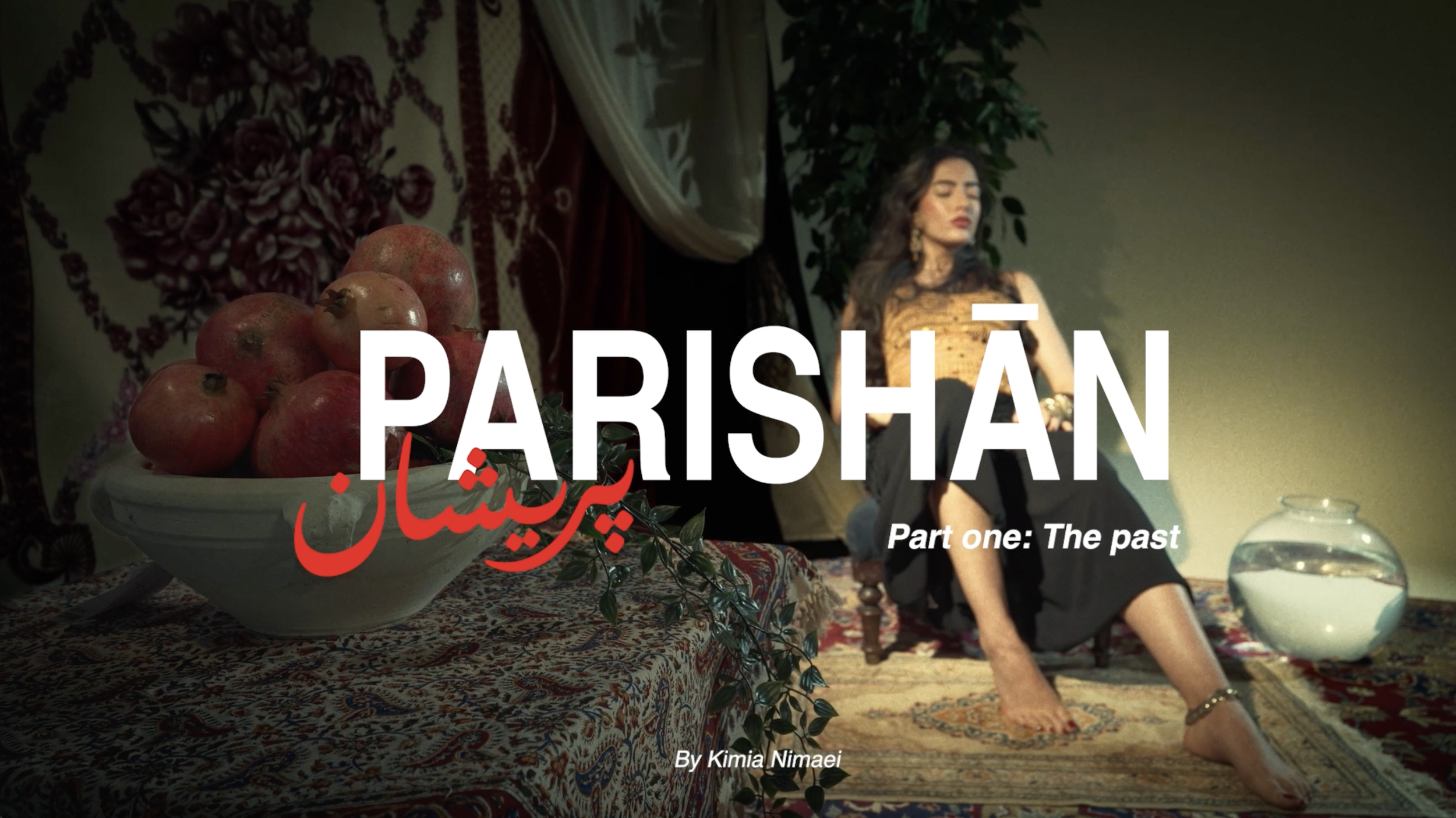
Parishān part one: the past
Part One is a conceptual interpretation of the unexpected aftermath of the 1979 Iranian Revolution. The film explores how the oppression imposed by the new regime arrived in ways many people did not anticipate, and reflects on the emotional weight of living through that shift. Through atmosphere, symbolism, and performance, the film examines how individuals psychologically respond to oppressive environments, capturing feelings of fear, restriction, adaptation, and survival.
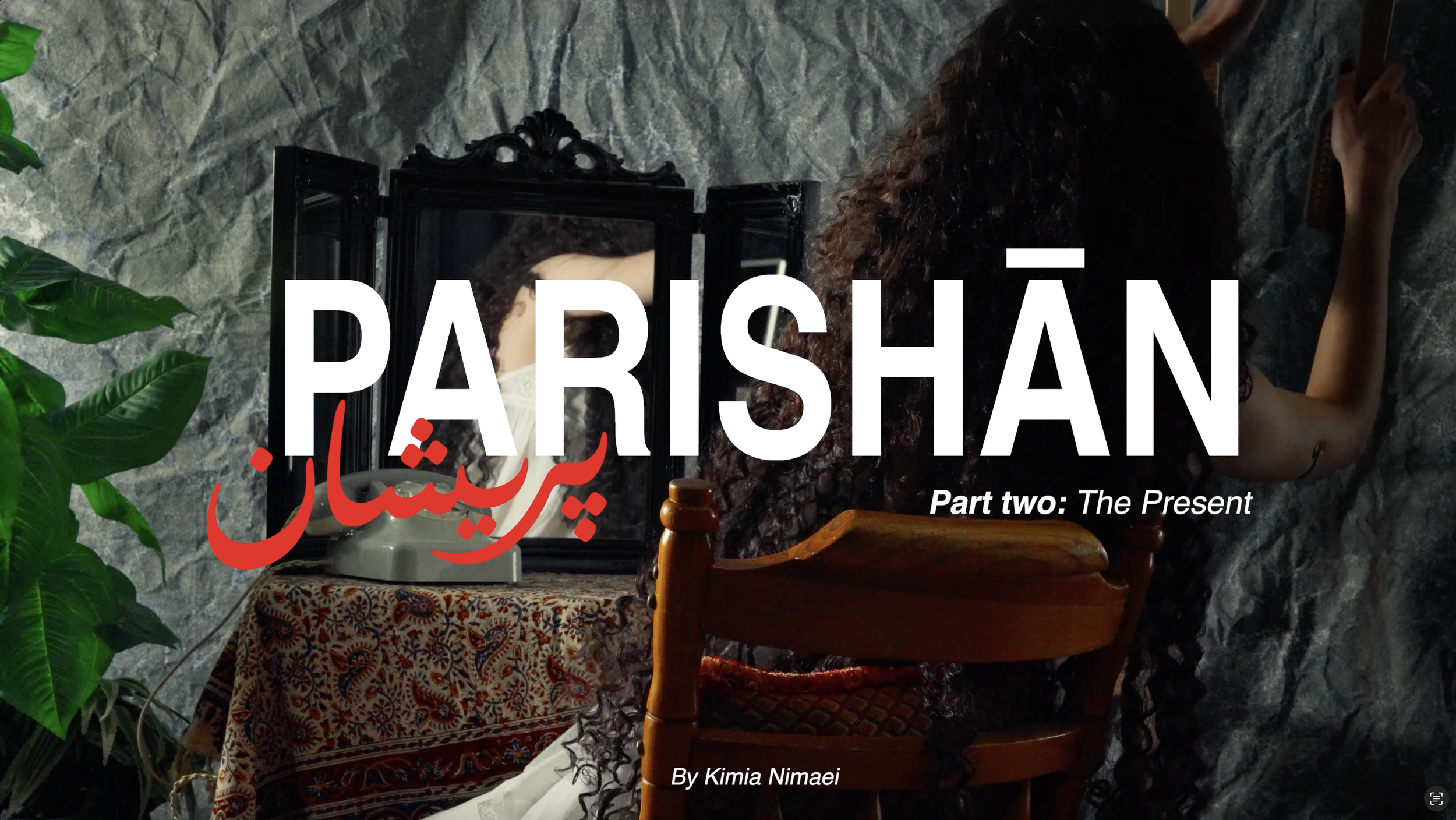
Parishān part two: the present
Part Two is a conceptual exploration of society’s admiration for femininity and the resentment that often exists alongside it. The film reflects on the enforcement of religious ideology through governmental law, examining how compulsory interpretations of Sharia law can be weaponised to justify control, power, and violence against women, regardless of individual spiritual beliefs or personal identity.
Through symbolism and performance, the film explores the ways in which religion and patriarchy can intersect to create systems of oppression, particularly affecting women and marginalised communities. At its centre is the portrayal of a courageous woman who resists victimhood, reclaiming her autonomy and fighting for her freedom. Her resilience becomes a reflection of the bravery, strength, and resistance shown by people continuing to fight against oppression and injustice today.
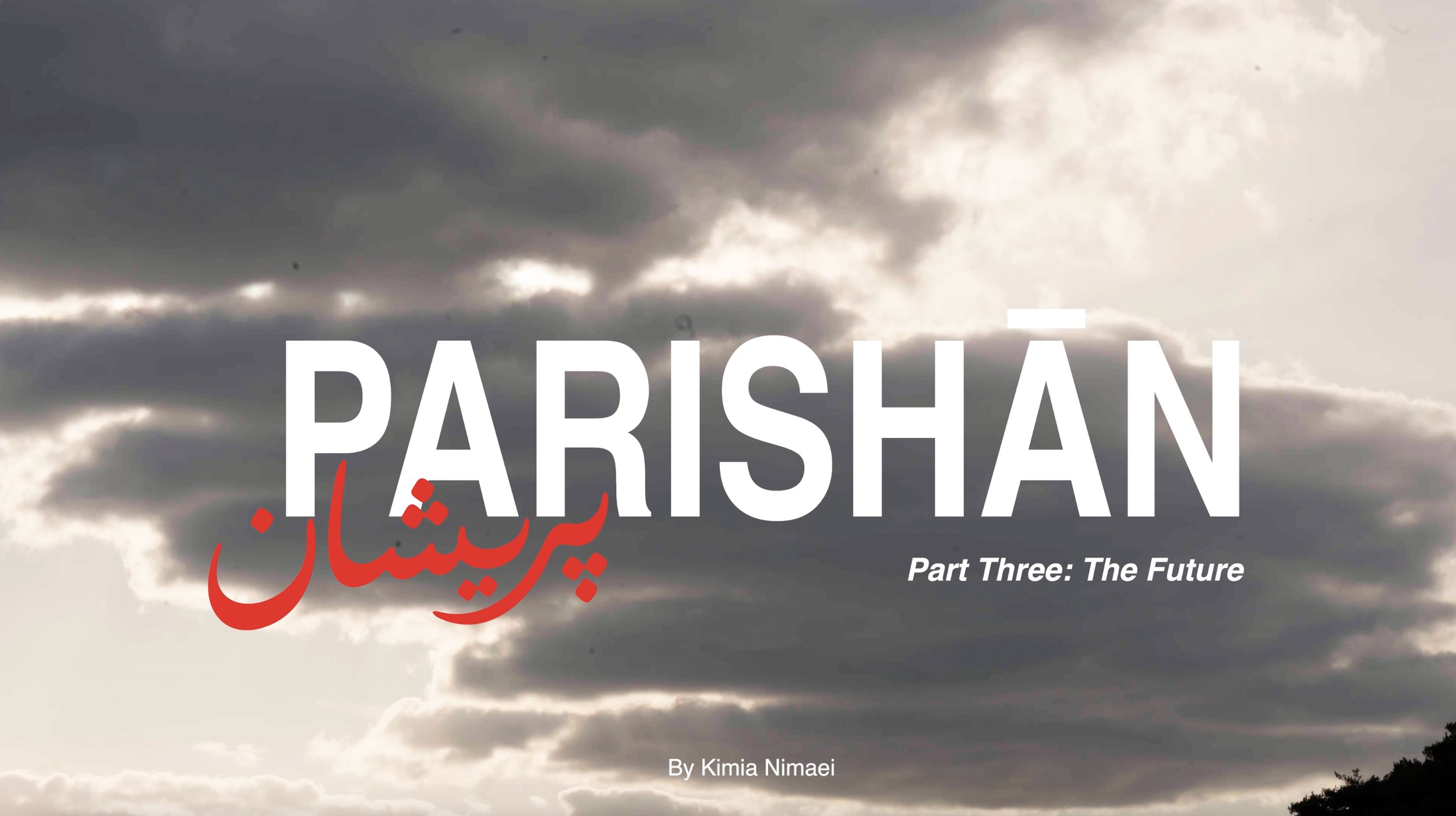
Parishān part three: the future
Part Three is a conceptual exploration of what Iranian hope looks like, a vision of freedom shaped by resilience, unity, and the possibility of a future beyond oppression. Following the emotional weight of the previous films, the final chapter shifts towards liberation, reflecting on the strength of people who continue to resist despite generations of political and social restriction.
Through cinematic imagery, symbolism, and performance, the film imagines hope not as something distant or naïve, but as an act of defiance in itself. It explores the beauty of cultural identity, collective strength, and the emotional power of reclaiming autonomy. At its centre is the portrayal of a woman who embodies renewal and freedom, representing both personal and political transformation.

ANY QUESTIONS?
If you have any questions about Parishān, you can shoot us a message to ask here. If you don’t but you have something you want say, leave use a massage here also.